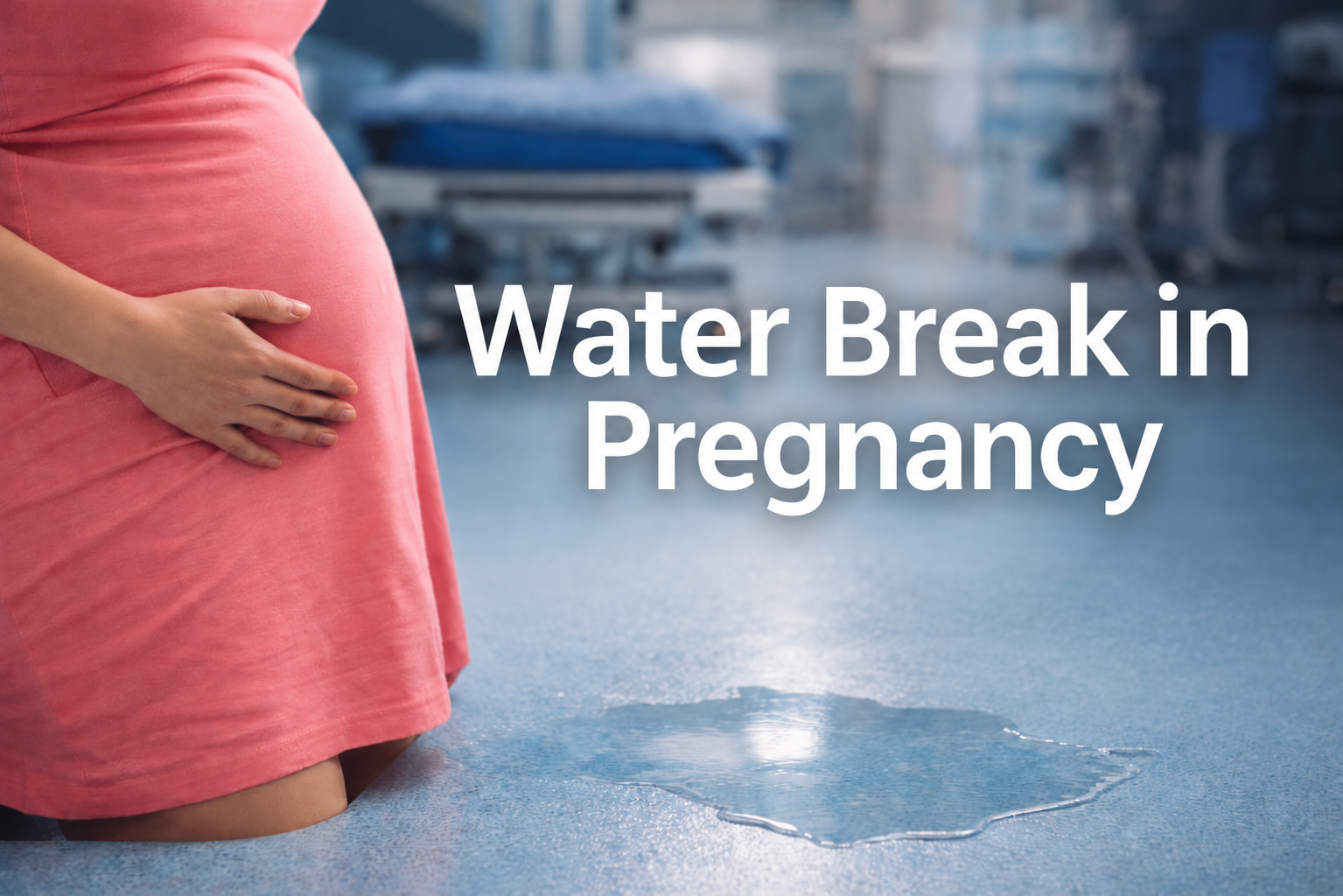
Water Breaking During Pregnancy: What It Feels Like and Key Symptoms
Pregnancy brings many exciting moments, but some symptoms can also cause confusion—especially when you notice unexpected wetness or fluid leakage. One of the most important signs to understand is water breaking, which happens when the amniotic sac surrounding your baby ruptures.
For many women, water breaking occurs during labour, while for others, it can happen before contractions begin. Knowing what it feels like and what to do afterward can help you respond calmly and seek appropriate medical care.
What Are the Signs Your Water Is Going to Break?
There is no guaranteed warning that your water is about to break. Some women experience increasing pressure in the pelvis, regular contractions, or changes in vaginal discharge before their water breaks. Others may notice nothing unusual beforehand.
When the amniotic sac ruptures, you may experience:
 A sudden gush of fluid from the vagina
- A slow, continuous trickle of watery fluid
- Feeling unusually wet in your underwear
- Fluid leakage that continues even after emptying your bladder
The amount of fluid can vary considerably. A large gush is not always necessary for the water to have broken.
What Does Water Breaking Actually Feel Like?
Water breaking does not usually cause significant pain by itself. Some women describe a sensation similar to a small pop or sudden release of pressure, followed by warm fluid leaking from the vagina.
For others, there may simply be a constant trickle without any noticeable sensation when the sac ruptures.
If your water breaks before contractions begin, labour may start shortly afterward, although the timing can vary from woman to woman.
How to Tell If Your Water Broke or You Just Peed Yourself
Urine leakage is common during pregnancy because the growing uterus puts pressure on the bladder. This can make it difficult to distinguish urine from amniotic fluid.
Amniotic fluid is generally clear or pale yellow and tends to be watery. Unlike urine, the leakage may continue or increase when you change position, stand up, walk, cough, or move around.
If you are uncertain, do not rely only on smell or appearance. A healthcare professional can perform an examination and, when necessary, specific tests to determine whether the fluid is amniotic fluid.
What Causes Water Breaking During Pregnancy?
In a full-term pregnancy, the membranes usually rupture naturally as the body prepares for labour. However, water can sometimes break before labour starts.
Factors associated with premature rupture of membranes may include certain infections, problems involving the cervix or uterus, previous premature rupture of membranes, or other pregnancy-related complications. Sometimes, however, the exact reason cannot be identified.
If your water breaks before 37 weeks of pregnancy, it requires prompt medical assessment because it may be associated with preterm birth and other complications.
Why Amniotic Fluid Matters So Much for Your Baby
Amniotic fluid plays several important roles throughout pregnancy. It cushions your baby, allows movement and supports normal development. It also helps maintain a suitable environment around the baby.
After the membranes rupture, the protective barrier around the baby is no longer intact. This is why healthcare professionals take suspected water breaking seriously and assess both the mother and baby.
Does Your Baby Move Differently After Water Breaks?
Your baby’s movements should generally continue after your water breaks. You may notice movements differently depending on your baby’s position, your stage of pregnancy, or the progression of labour.
However, a significant decrease or change in your baby’s usual movements should never be ignored. Contact your maternity care provider promptly if you feel your baby is moving much less than usual.
What to Do After Your Water Breaks
If you think your water has broken, stay calm and contact your doctor or maternity hospital for guidance.
Note the approximate time when the leakage started and observe the colour and amount of fluid. Use a sanitary pad if needed, rather than inserting anything into the vagina.
Seek urgent medical attention if the fluid is greenish or brown, there is heavy bleeding, you develop severe abdominal pain or fever, your baby’s movements decrease, or you are less than 37 weeks pregnant.
Your doctor may recommend an examination to confirm whether your membranes have ruptured and determine the next steps based on your pregnancy and baby’s condition.
Conclusion
Understanding the signs of water breaking can help expectant mothers recognise an important change during pregnancy. Whether it happens as a sudden gush or a slow trickle, suspected rupture of the amniotic sac should be discussed with a healthcare professional.
If you are looking for a gynaecologist in Kolkata for pregnancy care, regular antenatal consultations can help you understand labour signs, warning symptoms, and when to seek immediate medical attention.