
Endometriosis Surgeon in India: Dr. Sankar Dasmahapatra
If you are searching for an Endometriosis surgeon in India, it is important to understand the available treatment options and the role of specialist gynaecological care. Dr. Sankar Dasmahapatra, Consultant Gynaecologist and Obstetrician, provides women’s healthcare services, including gynaecological consultations and laparoscopic surgery.
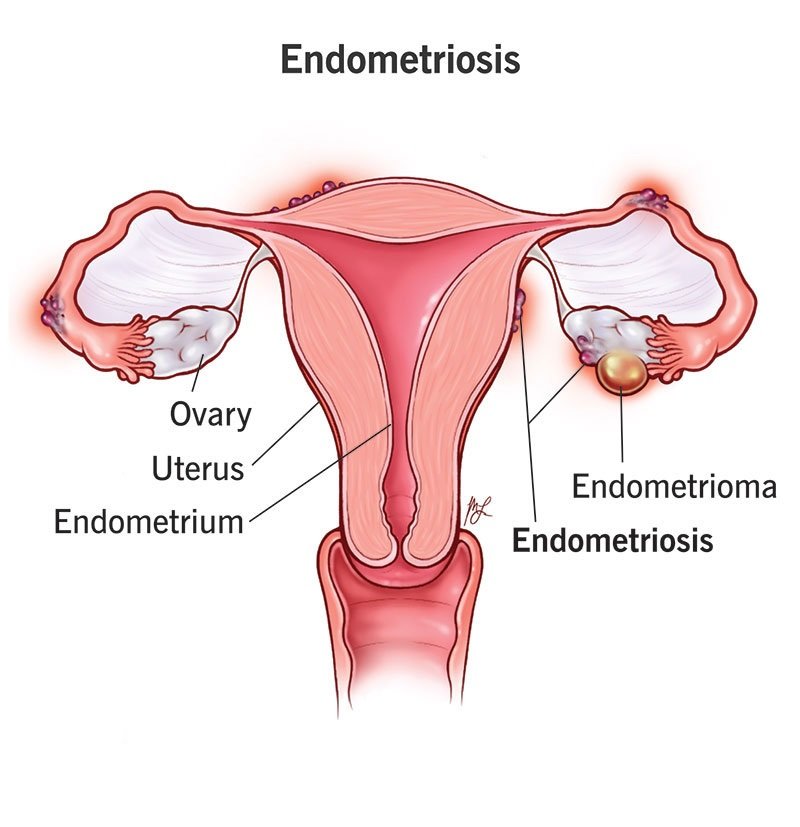
What Is Endometriosis?
Endometriosis is a chronic condition in which tissue resembling the uterine lining develops outside the uterus. This tissue can respond to hormonal changes during the menstrual cycle, contributing to inflammation, irritation, and scar tissue formation.
The symptoms and severity of endometriosis vary from one woman to another. Some women experience significant discomfort, while others may have few noticeable symptoms. The condition can also affect fertility in certain cases.
Common symptoms include:
 Severe menstrual cramps that interfere with everyday activities
- Persistent pelvic or lower abdominal pain
- Pain during or after sexual intercourse
- Discomfort while passing urine or stools, particularly during menstruation
- Heavy or irregular menstrual bleeding
- Difficulty becoming pregnant
- Fatigue and recurring pelvic discomfort
These symptoms can overlap with other medical conditions. Consulting a qualified gynaecologist is an important step towards identifying the underlying cause.
When Should You Consult an Endometriosis Surgeon in India?
Menstrual pain is common, but severe or persistent pain should not be dismissed as a normal part of menstruation. If pain regularly affects your work, sleep, relationships, or daily routine, a medical assessment may be appropriate.
You may benefit from specialist evaluation if you experience recurring pelvic pain, painful periods that do not improve with usual treatment, suspected endometriosis on imaging, or fertility difficulties associated with possible endometriosis.
An experienced gynaecologist can review your symptoms, menstrual history, medical background, and previous treatment. Depending on the findings, you may need further investigations or referral to a surgeon with specific expertise in complex endometriosis.
How Is Endometriosis Diagnosed?
Diagnosis begins with a detailed medical history and clinical assessment. Your doctor may ask about menstrual patterns, pain severity, bowel or bladder symptoms, and whether you are planning a pregnancy.
Depending on your symptoms, investigations may include:
Pelvic ultrasound: Ultrasound can help identify ovarian endometriomas and certain other pelvic abnormalities. However, a normal ultrasound does not rule out endometriosis.
MRI scan: In selected cases, MRI can help assess suspected deep endometriosis and its relationship with surrounding structures.
Laparoscopy: This minimally invasive surgical procedure allows a surgeon to examine the pelvic cavity directly. It may be considered when symptoms, examination findings, imaging, and treatment response indicate that surgery could be beneficial. Surgery is not necessary for every patient to receive treatment.
The diagnostic approach depends on individual circumstances and current clinical guidance.
Treatment Options for Endometriosis
There is no single treatment suitable for every woman. The choice depends on symptoms, disease location, previous treatment, age, and fertility goals.
1. Medication and Pain Management
Pain-relieving medicines may help manage discomfort. Hormonal treatments can reduce endometriosis-related symptoms in appropriate patients. Your doctor will consider potential benefits, side effects, and whether you are trying to conceive before recommending a treatment.
2. Laparoscopic Endometriosis Surgery
Laparoscopy uses small incisions and specialised instruments to access the pelvic cavity. When surgery is appropriate, the surgeon may remove endometriosis lesions, divide adhesions, or treat ovarian endometriomas.
The surgical approach depends on the extent and location of the disease. Deep endometriosis affecting the bowel, bladder, or ureters may require a multidisciplinary team with relevant surgical expertise.
Although surgery can improve symptoms for some patients, pain may persist or return. Ovarian surgery can also affect ovarian reserve, so fertility considerations should be discussed before treatment.
3. Fertility-Focused Care
For women who wish to become pregnant, treatment planning should consider both symptom relief and reproductive goals. Depending on the circumstances, options may include expectant management, selected surgery, fertility treatment, or referral to a fertility specialist.
Hormonal treatments generally suppress ovulation or prevent pregnancy while being used, so they are not suitable for women actively trying to conceive during treatment.
Choosing the Right Endometriosis Surgeon in India
When looking for an Endometriosis surgeon in India, consider more than location or online rankings. The surgeon’s experience and the availability of appropriate diagnostic and surgical facilities are important factors.
Consider asking the following questions:
- Does the surgeon regularly assess and treat endometriosis?
- What treatment options are appropriate for my symptoms and diagnosis?
- Is laparoscopic surgery recommended in my particular case?
- What are the potential risks and benefits of surgery?
- Could treatment affect my future fertility?
- Will additional specialists be needed if the disease affects other organs?
- What follow-up care will be available after treatment?
A clear discussion of treatment choices can help you make an informed decision without rushing into an unnecessary procedure.
Consult Dr. Sankar Dasmahapatra for Gynaecological Care
Dr. Sankar Dasmahapatra is a Consultant Gynaecologist and Obstetrician and an Infertility Specialist and Laparoscopic Surgeon. Women experiencing persistent menstrual pain, pelvic discomfort, or concerns about endometriosis can seek a consultation to discuss their symptoms and possible next steps.
Every patient requires an individual assessment. The appropriate treatment plan should be based on clinical findings, symptom severity, personal preferences, and fertility goals.
Frequently Asked Questions (FAQs)
1. Who should I consult for endometriosis in India?
A qualified gynaecologist can evaluate suspected endometriosis and recommend suitable treatment. If complex or deep endometriosis is suspected, consider a surgeon with specific experience in advanced endometriosis surgery.
2. Can endometriosis be treated without surgery?
Yes. Depending on symptoms and individual circumstances, treatment may include pain-relieving medicines, hormonal therapy, and ongoing monitoring. Surgery is considered when clinically appropriate.
3. Is laparoscopic surgery effective for endometriosis?
Laparoscopic surgery can remove or treat endometriosis lesions and may improve pain in selected patients. However, outcomes vary, and symptoms can recur. The potential benefits and risks should be discussed before surgery.
4. Can endometriosis affect fertility?
Yes. Endometriosis can affect fertility in some women, although many women with the condition conceive naturally. Treatment should be tailored to age, ovarian reserve, disease severity, and pregnancy plans.
5. Does severe period pain always mean endometriosis?
No. Severe menstrual pain can have several causes, including adenomyosis, fibroids, and other pelvic conditions. A medical evaluation can help determine the likely cause.
6. When should I seek medical advice for suspected endometriosis?
Consult a gynaecologist if menstrual pain is severe, pelvic pain persists, intercourse is painful, or you have difficulty conceiving. Sudden, severe pelvic pain—especially with fainting, fever, or heavy bleeding—requires urgent medical assessment.
7. How can I book an appointment with Dr. Sankar Dasmahapatra?
You can contact Dr. Sankar Dasmahapatra at +91 87776 13551 to learn more about his gynaecological consultation services.