Blocked Fallopian Tubes: Symptoms, Diagnosis & Treatment
For many women, getting pregnant is an important personal goal. When conception does not happen despite regular, unprotected intercourse, there can be several possible reasons. One of them is a blockage in the fallopian tubes.
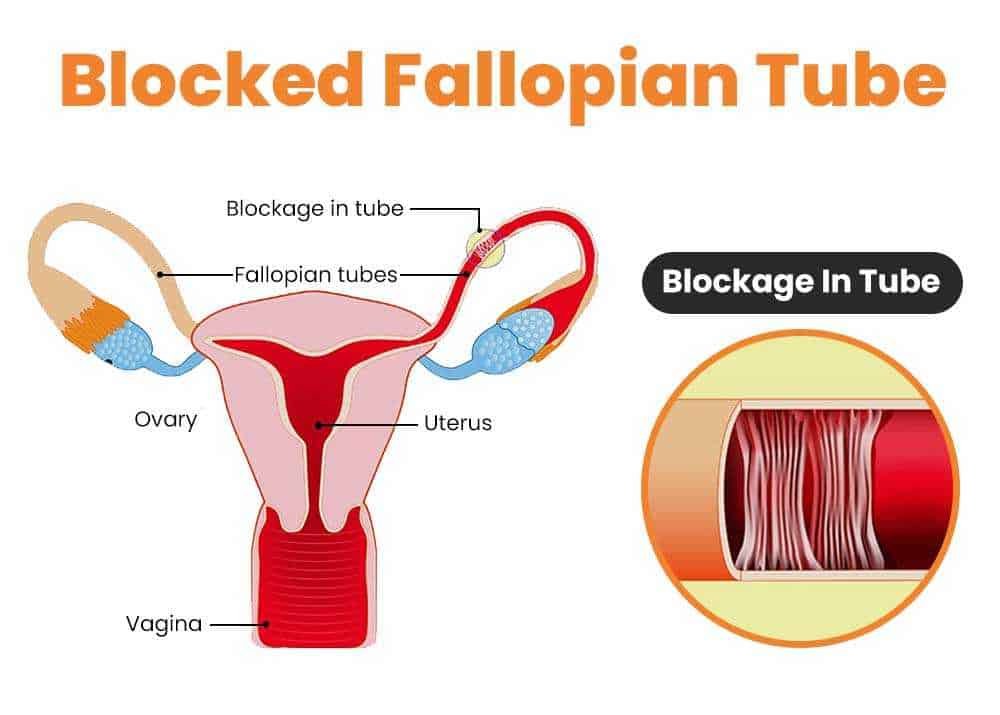
Fallopian tubes are delicate reproductive organs that connect the ovaries to the uterus. They provide the pathway through which the egg travels after ovulation and are usually where fertilisation takes place. If one or both tubes become blocked, it can make natural conception more difficult.
Dr. Sankar Dasmahapatra provides comprehensive gynaecological care for women dealing with fertility-related concerns and helps patients understand the underlying causes before recommending an appropriate treatment approach.
What Causes Blocked Fallopian Tubes?
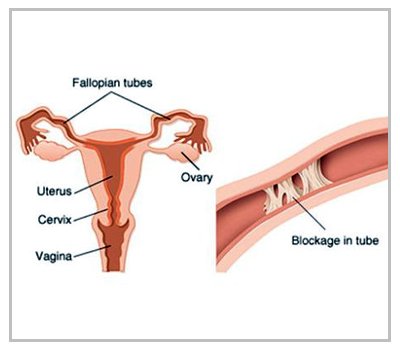
Fallopian tube blockage may develop because of several conditions. Pelvic infections, previous abdominal or pelvic surgery, endometriosis and pelvic inflammatory disease are among the common factors associated with tubal damage.
In some women, previous infections may have caused inflammation and scarring around the reproductive organs without producing obvious symptoms at the time. These scars can affect the normal functioning of the tubes.
A history of ectopic pregnancy can also sometimes be associated with damage to a fallopian tube.
Are There Symptoms of Blocked Fallopian Tubes?
One of the challenging aspects of tubal blockage is that it often does not cause noticeable symptoms. Many women discover the condition only when they undergo fertility evaluation.
Some women may experience symptoms related to the underlying condition rather than the blockage itself. For example, pelvic pain, painful periods or discomfort during intercourse may occur in women with endometriosis or pelvic infections.
Difficulty conceiving after trying for an appropriate period is often the main reason a woman is evaluated for possible tubal blockage.
How Are Blocked Fallopian Tubes Diagnosed?
If tubal blockage is suspected, a gynaecologist may recommend one or more investigations based on the patient’s medical and reproductive history.
Hysterosalpingography (HSG)
HSG is an X-ray-based test used to examine the uterus and determine whether the fallopian tubes are open. A contrast dye is introduced through the cervix, and X-ray images are taken to observe its movement through the reproductive tract.
Ultrasound-Based Testing
Certain ultrasound-based techniques can also be used to assess the uterine cavity and provide information about tubal patency. The exact test recommended depends on the patient’s circumstances and the facilities available.
Laparoscopy
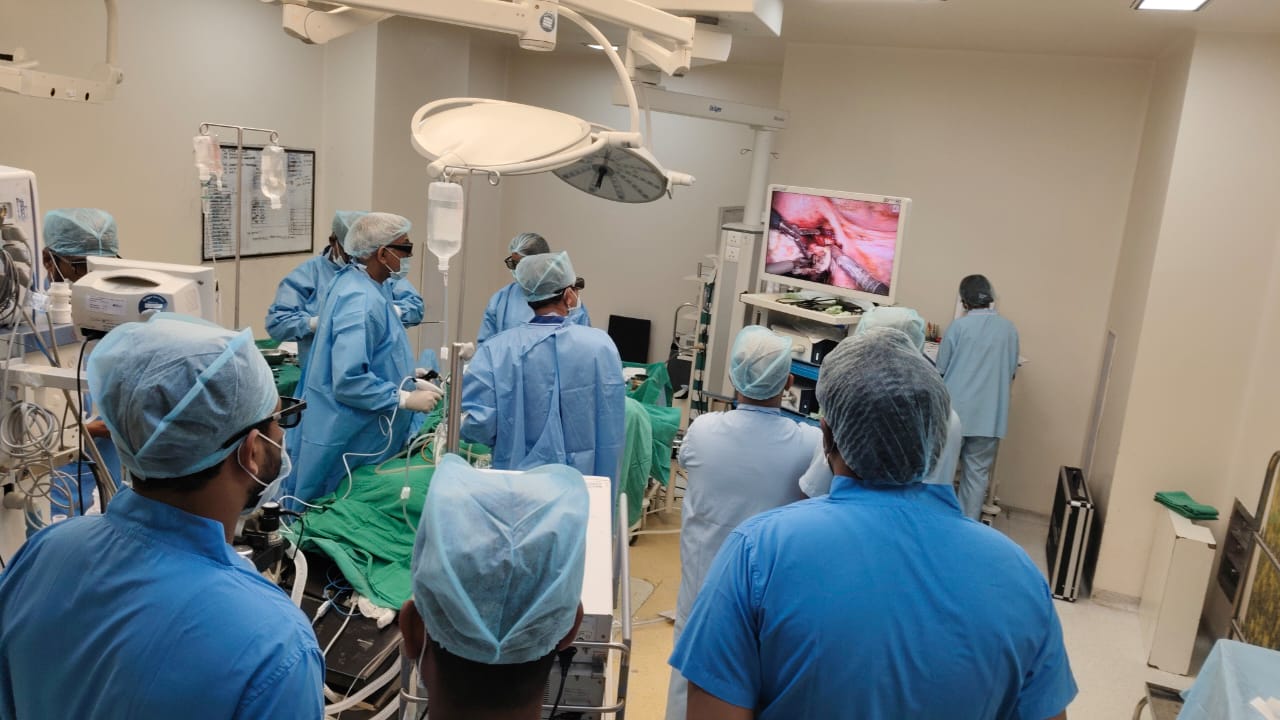
Laparoscopy is a minimally invasive surgical procedure that allows the doctor to directly inspect the uterus, fallopian tubes and surrounding pelvic structures. It can be particularly useful when conditions such as endometriosis, adhesions or pelvic scarring are suspected.
One advantage of laparoscopy is that diagnosis and, in selected cases, treatment can sometimes be performed during the same procedure.
Can Blocked Fallopian Tubes Be Treated?
Treatment depends on factors such as the location and severity of the blockage, whether one or both tubes are affected, the woman’s age, ovarian reserve, previous medical history and other fertility factors.
Tubal Surgery
In selected cases, laparoscopic surgery may be considered to remove adhesions or repair damaged sections of the fallopian tube. Surgery is not suitable for every type of blockage, and the potential benefits need to be weighed against the condition of the tubes and the patient’s fertility goals.
IVF Treatment
When the fallopian tubes are severely damaged or blocked, in vitro fertilisation (IVF) may be considered. IVF bypasses the fallopian tubes by fertilising the egg outside the body and subsequently transferring the embryo into the uterus.
The appropriate approach should be determined after a complete fertility assessment rather than based solely on the presence of a tubal blockage.
When Should You Consult a Gynaecologist?
If you have been trying to conceive without success, have a history of pelvic infection, previous pelvic surgery, endometriosis or an ectopic pregnancy, discussing your reproductive health with a qualified specialist can be helpful.
Women searching for the best gynecologist in Kolkata should look for a doctor who takes the time to identify the underlying cause of fertility difficulties and explains all appropriate treatment options.
Personalised Care for Your Fertility Journey
Blocked fallopian tubes do not necessarily mean that pregnancy is impossible. Depending on the condition of the tubes and other fertility factors, treatment may include surgery, assisted reproductive techniques or a combination of approaches.
Dr. Sankar Dasmahapatra offers personalised gynaecological evaluation and treatment planning, helping women understand their fertility concerns and make informed decisions about their reproductive health.
If you are experiencing difficulty conceiving or have been diagnosed with blocked fallopian tubes, an early consultation can help identify the next appropriate step for your individual situation.
 (+91) 87776 13551 / (+91) 92306 16647 / (+91) 98300 78757
 WhatsApp: 98300 78757