
Is Your Period Pain Normal?
Menstrual pain is something many women silently tolerate, often believing it is just a “normal part” of having periods. But is it always normal? As a trusted gynaecologist in Newtown Kolkata, Dr. Sankar Dasmahapatra frequently meets patients who have lived with severe cramps for years without seeking medical advice. Understanding what is normal and what is not can help you take better care of your reproductive health.
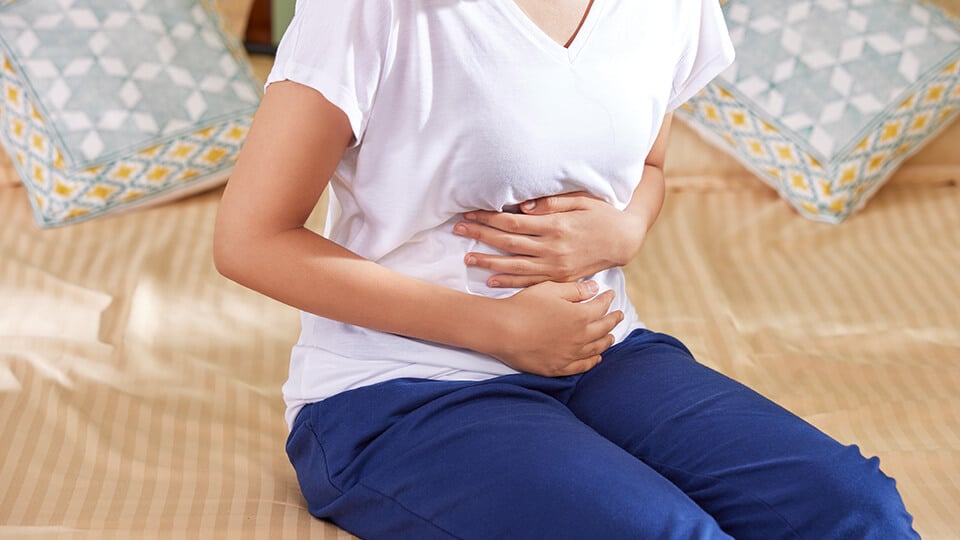
Understanding Period Pain
Mild discomfort during menstruation is common. This pain, known medically as dysmenorrhea, usually occurs in the lower abdomen and may radiate to the lower back or thighs. It typically begins a day before or at the start of your period and lasts for one to three days.
The pain happens because the uterus contracts to shed its lining. These contractions are triggered by hormone-like substances called prostaglandins. Higher levels of prostaglandins can lead to stronger uterine contractions and more intense pain.
For many women, this discomfort is manageable and does not interfere significantly with daily activities. However, when pain becomes severe or disruptive, it may signal an underlying issue.
What Is Considered Normal?
Your period pain is generally considered normal if:
- 🔹 It is mild to moderate in intensity
- 🔹 It lasts for a short duration (1–3 days)
- 🔹 It improves with over-the-counter pain relief
- 🔹 It does not stop you from attending work, school, or daily tasks
Occasional symptoms like mild nausea, fatigue, or loose motions can also occur during periods and may still fall within the normal range.
When Should You Be Concerned?
As an experienced gynaecologist in Newtown Kolkata, Dr. Sankar Dasmahapatra advises women to seek medical evaluation if they experience:
- 🔹 Severe cramps that prevent normal activities
- 🔹 Pain that suddenly becomes worse than usual
- 🔹 Pain lasting longer than 3 days
- 🔹 Heavy menstrual bleeding (soaking pads every 1–2 hours)
- 🔹 Irregular cycles with intense pain
- 🔹 Pain during intercourse
- 🔹 Difficulty conceiving along with painful periods
These symptoms may indicate conditions such as endometriosis, adenomyosis, uterine fibroids, or pelvic infections. Early diagnosis can prevent complications and improve quality of life.
Common Causes of Severe Period Pain
1. Endometriosis
This condition occurs when tissue similar to the uterine lining grows outside the uterus. It can cause intense pain, especially before and during menstruation.
2. Uterine Fibroids
Non-cancerous growths in the uterus can lead to heavy bleeding and severe cramps.
3. Adenomyosis
This happens when the uterine lining grows into the muscular wall of the uterus, causing heavy and painful periods.
4. Pelvic Inflammatory Disease (PID)
An infection of the reproductive organs can result in persistent pelvic pain.
Identifying the exact cause requires proper medical evaluation, which may include a pelvic examination, ultrasound, or other diagnostic tests.
Can Lifestyle Affect Period Pain?
Yes. Stress, lack of sleep, poor diet, and sedentary habits can worsen menstrual discomfort. Regular exercise, balanced nutrition, adequate hydration, and stress management techniques can help reduce cramps.
Simple remedies like applying a heating pad to the lower abdomen, gentle stretching, and relaxation exercises may provide relief for mild cases. However, these should not replace medical consultation if the pain is severe.
Treatment Options
Treatment depends on the cause and severity of the pain. A qualified gynaecologist in Newtown Kolkata may suggest:
- 🔹 Anti-inflammatory medications
- 🔹 Hormonal contraceptives to regulate cycles
- 🔹 Lifestyle modifications
- 🔹 Treatment for underlying conditions
- 🔹 In rare cases, surgical intervention
The goal is not just pain relief but also addressing any root cause.
Why You Should Not Ignore Severe Pain
Many women normalize suffering because they see others experiencing similar discomfort. But severe period pain is not something you have to endure silently. Chronic pain can affect mental health, work productivity, relationships, and overall well-being.
Dr. Sankar Dasmahapatra emphasizes that timely consultation with a gynaecologist in Newtown Kolkata can significantly improve quality of life. Early diagnosis often leads to simpler and more effective treatment.
Mild menstrual cramps are common, but extreme pain is not something you should ignore. Your body communicates through symptoms, and persistent or severe discomfort is a sign that deserves attention.
If your period pain interferes with your daily life or feels different from what you consider “normal,” it’s time to seek professional guidance. With proper care and expert evaluation, you can manage your symptoms effectively and protect your reproductive health.
Taking control of your menstrual health today ensures a healthier and more comfortable tomorrow.
Book an Appointment
Schedule your consultation today with Dr. Sankar Dasmahapatra, now available at a leading hospital in Newtown.
 Millennium Clinic – Teghoria Main Road, Near VIP Road, Kanchanjhunjha Apartment, Kolkata – 700059
 Dial: (+91) 87776 13551 / 92306 16647 / 98300 78757
 WhatsApp: 98300 78757