
Why Am I Not Getting Pregnant? 10 Common Causes of Infertility
Trying to conceive can be an exciting journey, but when pregnancy does not happen despite regular attempts, it can also become emotionally stressful. অনেক দম্পতির ক্ষেত্রেই pregnancy একটু সময় নেয়, এবং সবসময় এর পিছনে কোনও serious problem থাকে না। However, if you have been trying for some time without success, understanding the possible causes can help you take the right next step.
Infertility can affect either partner, and sometimes more than one factor may be involved. Consulting an experienced gynaecologist in Kolkata can help identify the underlying cause through proper evaluation and personalised advice.
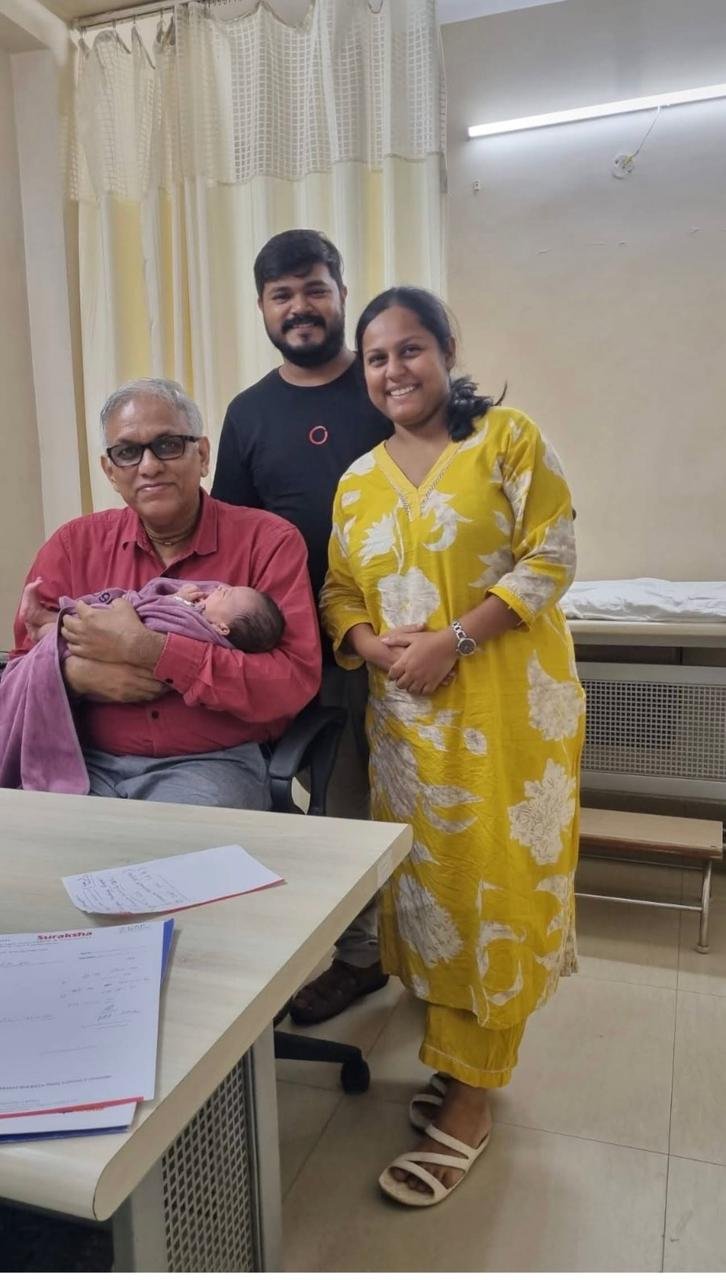
10 Common Causes of Infertility
1. Ovulation Problems
Ovulation means the release of an egg from the ovary. If ovulation does not happen regularly, conception can become difficult.
PCOS (Polycystic Ovary Syndrome), hormonal imbalance, thyroid problems, excessive stress, significant weight changes and certain medical conditions can affect ovulation. Irregular periods can sometimes be an important clue.
2. Polycystic Ovary Syndrome (PCOS)
PCOS is a common hormonal condition among women of reproductive age. Irregular periods, acne, unwanted facial hair and difficulty with ovulation may occur.
তবে PCOS থাকলেই যে pregnancy হবে না, এমন নয়। With appropriate treatment, lifestyle changes and ovulation management, many women with PCOS conceive successfully.
3. Blocked or Damaged Fallopian Tubes
The fallopian tubes provide the pathway for the egg and sperm to meet. If the tubes are blocked or damaged, fertilisation may be affected.
Previous pelvic infections, certain sexually transmitted infections, endometriosis or previous abdominal/pelvic surgery can sometimes contribute to tubal problems.
4. Endometriosis
Endometriosis occurs when tissue similar to the lining of the uterus grows outside the uterus. It may cause painful periods, pelvic pain and sometimes difficulty conceiving.
কিছু ক্ষেত্রে endometriosis-এর কারণে adhesions বা pelvic changes তৈরি হতে পারে, যা fertility-কে প্রভাবিত করতে পারে.
5. Uterine Fibroids
Fibroids are non-cancerous growths in or around the uterus. Many women with fibroids become pregnant normally, but depending on their size and location, some fibroids may affect fertility or pregnancy.
Therefore, every fibroid does not necessarily require treatment. Proper assessment is important.
6. Age-Related Decline in Fertility
Female fertility gradually declines with age, particularly after the mid-30s. Both the number and quality of eggs can decrease over time.
এই কারণে pregnancy planning-এর ক্ষেত্রে age একটি গুরুত্বপূর্ণ factor. If you are concerned about your fertility, early consultation can be helpful.
7. Poor Sperm Quality
Infertility is not only a female issue. Male factors contribute to a significant proportion of infertility cases.
Low sperm count, reduced sperm movement or abnormal sperm shape may make conception more difficult. A semen analysis is often one of the basic investigations when a couple is having difficulty conceiving.
8. Hormonal or Thyroid Problems
Hormones play an important role in ovulation, menstrual cycles and reproductive health. Thyroid disorders, high prolactin levels and other hormonal problems may sometimes interfere with conception.
A doctor may recommend blood tests depending on your symptoms and medical history.
9. Lifestyle and Weight-Related Factors
Smoking, excessive alcohol consumption, poor sleep, extreme stress, very low or high body weight and lack of physical activity may negatively affect reproductive health.
Healthy food habits, regular physical activity, adequate sleep and avoiding tobacco can support overall fertility.
10. Unexplained Infertility
Sometimes, all routine tests appear normal, yet pregnancy does not occur. This is often described as unexplained infertility.
এর মানে এই নয় যে pregnancy অসম্ভব। Depending on the individual situation, doctors may discuss options such as timed intercourse, ovulation treatment, IUI or IVF.
When Should You See a Doctor?
If you are under 35 and have been trying to conceive for around 12 months without success, fertility evaluation is generally recommended. For women aged 35 or above, seeking medical advice after around 6 months of trying may be appropriate.
However, you may want to consult earlier if you have very irregular periods, severe period pain, known PCOS or endometriosis, previous pelvic surgery, previous ectopic pregnancy, or concerns about male fertility.
A consultation with an experienced gynaecologist in Kolkata can help determine whether further fertility evaluation is necessary.
Frequently Asked Questions
Q1. How long does it normally take to get pregnant?
It varies from couple to couple. Even healthy couples may need several months to conceive. Age, timing of intercourse and overall reproductive health can influence the chances.
Q2. Can irregular periods make pregnancy difficult?
Yes. Irregular periods may indicate that ovulation is not happening regularly. Conditions such as PCOS and thyroid disorders can sometimes be responsible.
Q3. Can PCOS patients become pregnant naturally?
Yes. Many women with PCOS conceive naturally, while others may require medical assistance to regulate ovulation.
Q4. Is infertility always caused by a problem in the woman?
No. Male factors can also contribute to infertility. তাই fertility evaluation should ideally consider both partners.
Q5. Does stress cause infertility?
Stress alone does not explain every case of infertility, but significant stress can affect sleep, lifestyle and sometimes hormonal or reproductive function. Managing stress is beneficial for overall wellbeing.
Q6. What tests are done for infertility?
Depending on the couple’s history, doctors may recommend ovulation assessment, hormone tests, pelvic ultrasound, tubal evaluation and semen analysis. The exact tests should be decided according to individual needs.
Q7. When should I consult a gynaecologist in Kolkata?
If you have been trying without success for the recommended period, have irregular periods, severe pelvic pain, known reproductive conditions, or other fertility concerns, consulting a qualified gynaecologist in Kolkata can be a useful first step.
Final Thoughts
Not getting pregnant does not necessarily mean that you cannot have a baby. Infertility can have many different causes, and several of them are treatable or manageable.
সবচেয়ে গুরুত্বপূর্ণ বিষয় হল দেরি না করে সঠিক কারণটি বোঝা এবং নিজের মতো করে treatment শুরু না করা। A personalised evaluation can help couples understand their fertility and choose the most appropriate path forward.
Dr. Sankar Dasmahapatra
Consultant Gynaecologist & Obstetrician
Infertility Specialist & Laparoscopic Surgeon
Kolkata
 Dial: (+91) 87776 13551 / 92306 16647 / 98300 78757
 WhatsApp: 98300 78757